Improving Engagement Through Thoughtful Design
User engagement is a crucial metric for any digital platform. The decisions you make around layout, navigation, and content presentation directly influence how visitors interact with your site. One common problem is cluttered or unintuitive interfaces that overwhelm or confuse new users.
Solution: Prioritize simplicity. Use white space strategically to create breathing room and direct attention to key elements. Organize navigation menus logically, grouping related pages or features.
- Consistent typography and clear calls to action help guide visitors naturally through your content.
- Quick-loading elements are essential for mobile and desktop users.
Focus on the user’s needs rather than design trends alone, and engagement will naturally improve.
Responsive Design and Speed Optimization
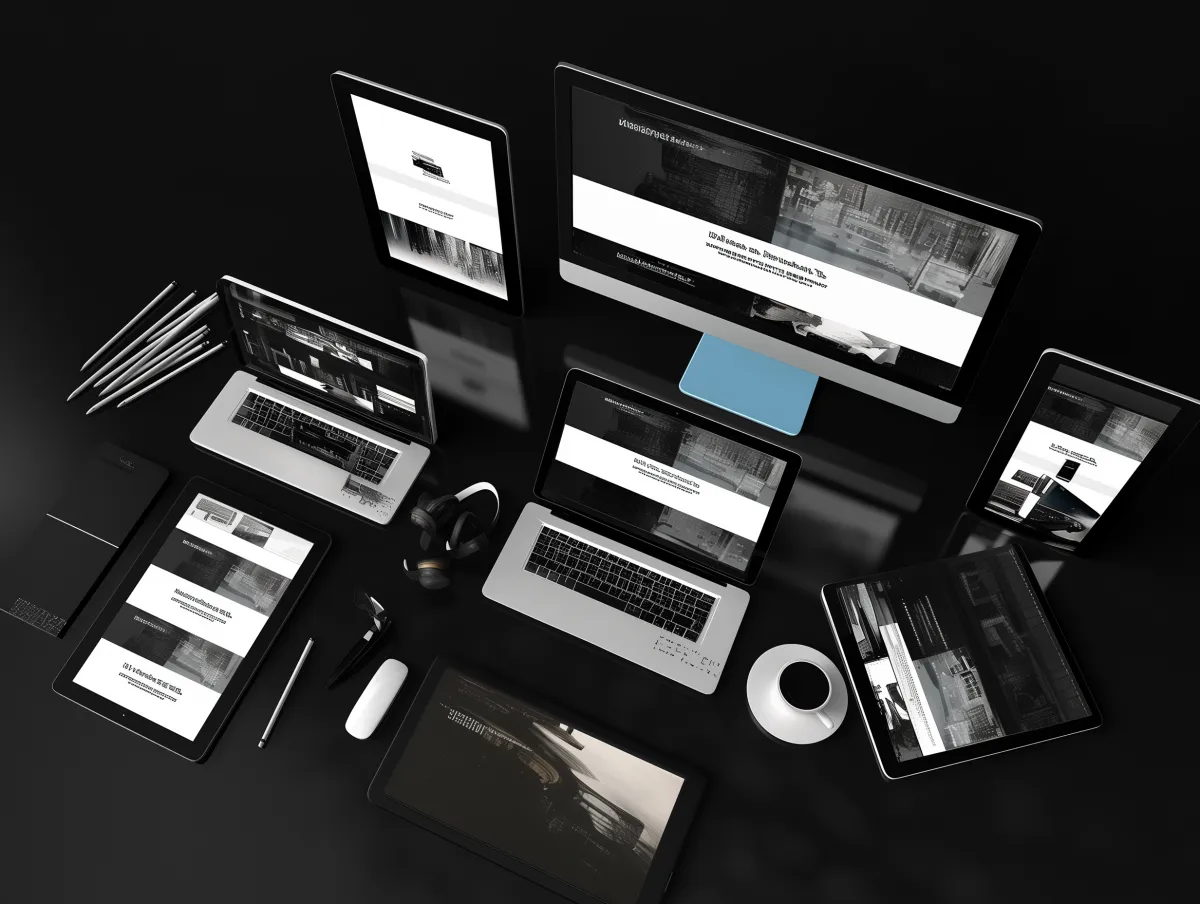
Today’s South African users expect a seamless browsing experience across multiple devices. A website that adapts to smartphones, tablets, and desktops can retain visitors who might otherwise leave prematurely. Ensure your site is built responsively, with flexible layouts and images that adjust to various screen sizes.
Loading speed is another challenge. Compress images, minimize scripts, and use efficient coding practices to reduce wait times. Test your site regularly and monitor analytics for bounce rates and page performance.
Remember, results may vary based on your industry and target demographic, but attention to speed and device compatibility consistently supports stronger engagement rates.
Aligning Visual Design With Business Goals
Your web design should reflect brand values and business objectives. Avoid generic templates if possible. Instead, tailor your website’s look and feel to convey professionalism, approachability, or innovation, depending on what fits your strategy.
Display testimonials or product highlights in interactive sections to foster trust. Feature local imagery or language elements relevant to South African audiences for added authenticity.
- Keep CTAs visible but not intrusive.
- Update your site design regularly to reflect evolving user expectations and marketing trends.